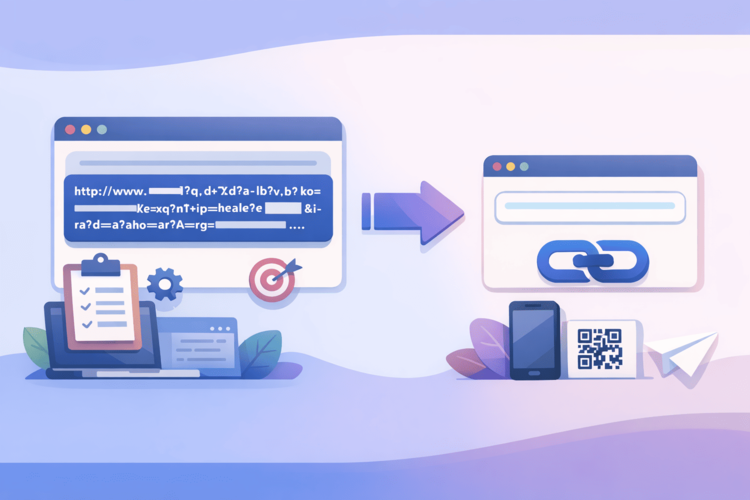
Short links have long been the standard. They are convenient, neat, and work well in newsletters, instant messengers, social networks, and QR codes. But there is a caveat: a short URL tells almost nothing about where exactly you will go.
That's why short link verification services are not "tools for the paranoid," but normal digital hygiene. Especially if you work with marketing, content, customer support, or just don't want to restore accounts at night.
Below are five services that are actually used in Ukraine and abroad. Without idealization, with an explanation of "when which tool is appropriate."
Surli is the most convenient option for daily use
Surli is that rare service that doesn't try to make you a cybersecurity expert in 30 seconds. It covers the simple and very human question: "where will I go if I click, and will I create problems for myself?" Without overloaded panels, without red "all is lost" style warnings, without technical tinsel that even experienced users get lost in.
In essence, Surli works as a “sober friend” in the world of links. You give it a link, and it calmly shows what’s behind it and allows you to make a decision without rushing or panicking.
What Surli can do in practice:
shows the “final address” even if the link goes through several redirects and tries to disguise the real domain;
highlights potentially dangerous or suspicious sites, not intimidating, but explaining;
works equally well with short URLs, regular links, and QR codes;
gives a clear conclusion that does not need to be "deciphered" or googled.
This is the case when the service saves not only time, but also nerves. You don't sit and think about what the next status or risk percentage means - you just see whether it's worth going there.
When Surli is particularly appropriate:
when you need to quickly check a link before clicking, without delaying;
when working with links from instant messengers, email newsletters and social networks;
for everyday use when you don't want to delve into deadlines and complex reports.
Strengths: simplicity, speed and clarity of the result.
Limitations: not a deep technical analysis for SOC specialists — this is a tool specifically for users, not a cybersecurity lab.
And this, in fact, is its main advantage.
HyperHost Unshort Link — minimalism without surprises
This service doesn't try to be "smarter than you." It does exactly one thing — it reveals the short link and shows where it actually leads. No judgments, no conclusions, no assumptions. It just honestly shows the final address.
This is a tool from the "looked - understood - moved on" category. That's why it works well in everyday work scenarios when you don't need analytics, but clarity.
What he can do in practice:
opens short URLs to the final address without unnecessary steps;
shows redirects, if any;
works quickly and without registration, without captchas and unnecessary forms.
When is the best time to:
basic "before-click" verification when something looks suspicious;
working with links in support, moderation or comments;
situations where speed is important, not deep analysis.
Strengths: minimalism, stability, and zero entry threshold.
Limitations: does not assess the risks and reputation of the domain - it is "reveal", not "analyze".
SECOM Direct Link Checker — when security is more important than speed
SECOM is a completely different philosophy. Here you can feel the approach of a company that lives in the world of cybersecurity. The tool looks at links not only from the perspective of "where it leads", but also from the perspective of "does it carry a potential threat?"
This is an option for those cases when "just looking" is not enough and you want an extra level of caution.
What can he do:
reveals short links;
analyzes suspicious redirects;
gives a basic assessment of the security of the link.
When is it suitable:
for companies that work with customer data;
link checking in a corporate environment;
situations where it is better to be safe than to explain the incident.
Strength: focus on safety and risks.
Limitations: less intuitive and a bit "harder" for the average user.
CheckShortURL — a classic without embellishments
This is a service that has been around for a long time and has survived more than one wave of popularity for short links. It looks simple, even a little outdated, but it does its job stably.
CheckShortURL is often used as a “quick universal test” when you need to check many links or different shortening services.
What can he do:
shows the final address;
demonstrates a chain of redirects;
supports dozens of short URL services.
When is it suitable:
quick check without additional requirements;
mass work with links;
as a "just in case" tool.
Strengths: versatility and time-tested stability.
Limitations: Does not analyze domain reputation or assess risks.
VirusTotal — deep, serious, but not for every day
VirusTotal is no longer a "check before you click" but a full-fledged analysis. It can be compared to an X-ray: it will show everything, but not everyone is comfortable reading the image.
This service checks links through dozens of antivirus and anti-phishing systems, so it is often used by security professionals.
What can he do:
analyzes URLs through many independent sources;
shows domain history;
captures malicious activity and reputational risks.
When is it suitable:
deep checking of dubious links;
the work of security specialists;
analysis of incidents and suspicious campaigns.
Strength: maximum depth of analysis.
Limitations: complexity and information overload for daily surfing.
Conclusion
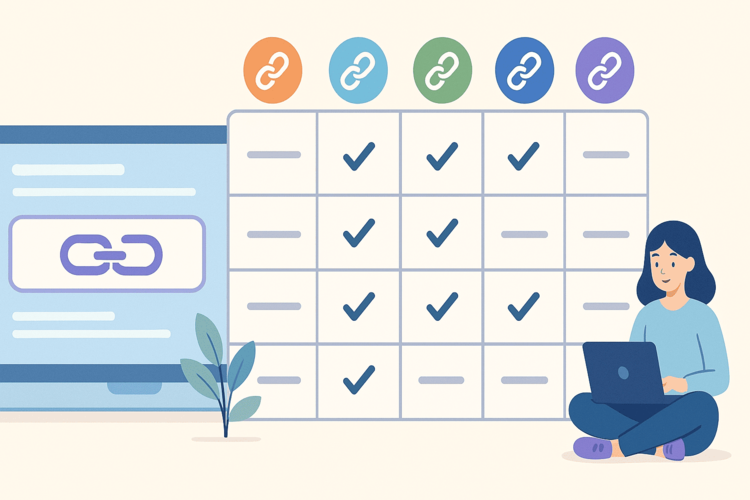
There is no "one perfect service" for all scenarios. But there is a clear logic to the choice:
Surli is the best option for daily checks and quick decisions.
HyperHost and CheckShortURL are simple "see where it leads" tools.
SECOM — when safety is important.
VirusTotal — when you need to dig deep.
In today's Internet, security is not paranoia, but a good habit. And an effective link checking service forms this habit much faster.